
Like their owners, pets can contract various illnesses or suffer accidents. It’s up to you to provide them with the care they need to recover. It’s important to remember that certain breeds of dogs and cats tend to be in poorer health than others. They therefore require more specific care. Of course, this can lead to relatively high vet bills. Find out in this article which dog and cat breeds require the most care.
Which dog breeds are in poor health?
There are many breeds of dog available today. However, some are more prone to health problems than others. These include skin diseases, epilepsy, gum and tooth disease, and breathing difficulties.
For example, the Chihuahua is a dog affected by 3 relatively common problems. It can suffer from hypoglycemia, luxation of the patella and a soft palate. These problems are generally hereditary or caused by aging. This animal is also sensitive to heatstroke. Whatever the pathology, immediate veterinary care is often required. The Shar-Pei is also considered one of the most fragile of all dogs. Because of its constitution, it often presents health problems. They can suffer from entropion, hip dysplasia and swollen hip syndrome. Rashes and mounds may also appear between the wrinkles on his face. This phenomenon is explained by the presence of numerous folds.
The Saint Bernard is highly susceptible to a number of pathologies: gastric torsion, patellar luxation, osteosarcoma and ectropion. They can also suffer from cataracts, cherry eye and diabetes. The Rottweiler is another breed requiring special attention. It can suffer from hypothyroidism. This animal can also suffer from immune system and joint problems. Added to these problems are the risks of bone cancer, elbow dysplasia and gastric dilatation.
Of course, the list is by no means exhaustive. The Pug frequently suffers from soft palate, while the Standard Poodle is prone to bloat and gastric torsion. The following dog breeds often suffer fromfood allergies and skin diseases: the Doberman, the Labrador, the Golden Retriever and the Newfoundland.
How do you care for your pedigree cats and dogs?
Veterinary care for cats and dogs with fragile health usually involves a significant investment. That’s why you need to find the right solution to finance it without spending a fortune. The best alternative is to take out pet insurance. Indeed, to cover the costs associated with these potential health concerns, many owners choose to insure their dog with specialist companies such as Santanim, selecting the level of cover that suits their needs.
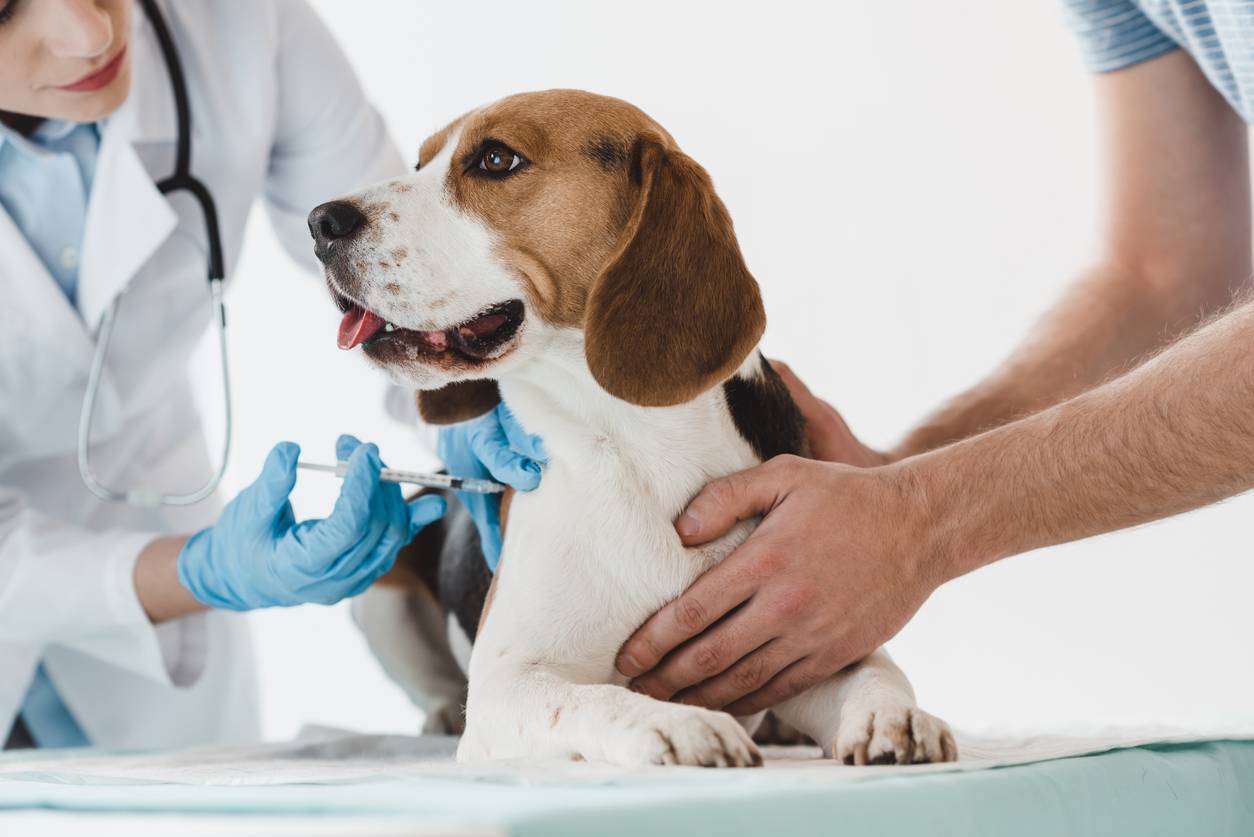
Pet insurance allows you to provide your pet with the best possible care, in the shortest possible time. Generally speaking, this contract covers preventive care against a range of common illnesses (sterilization, anti-parasite treatment, vaccinations…). It also covers veterinary visits. The same applies to certain surgical procedures.
Another advantage of dog/cat insurance is that you can choose from a wide range of formulas. So you can choose the coverage that best suits your needs and those of your pet. As a general rule, you can choose between :
- a basic contract (preventive care)
- a comprehensive contract (prevention, illness and accident)
- apersonalized contract
Quite simply, this means that you can include all possible additional benefits in your contract. These include funeral coverage and assistance in the event of loss.
But be careful when choosing your pet insurance. To get the best value for money, compare the different offers on the market. To do this, use an online insurance comparator. This tool will help you find the best offers. Better still, you’ll be able to compare prices and coverage.
Which cat breeds need the most attention?
Cats tend to accumulate health problems. These problems can be mild or more or less serious, depending on the breed. But that’s not all! You also need to take into account their morphology.
The Cornish Rex is one of the cat breeds most in need of care. They are highly sensitive to temperature drops and cold. They can also suffer from hypertrophic cardiomyopathy. This pathology often leads to dermatitis and heart failure. Genetic diseases such as progressive retinal atrophy can also be seen in this animal. Left untreated, this can lead to blindness.
Like its cousin, the Devon Rex also needs protection from the cold. It can also suffer from intestinal disorders, in addition to frequent skin problems. This breed of cat is prone to hypertrophic cardiomyopathy. Added to these concerns is the risk of myasthenia, as well as other classic or hereditary diseases.
The Peterbald is a “naked” cat breed. You need to protect them constantly from the sun and cold. They can suffer from skin problems and periodontal disease. Progressive atrophy of the retina can impair vision. Of course, with good preventive care, these health problems can generally be avoided.
Although much loved, hypertyped cats are easily exposed to health concerns. The Scottish Fold, for example, can suffer from malformation of the hindquarters and tail. Without hair, the Sphynx is extremely sensitive to sunburn. White cats, on the other hand, can quickly fall victim to deafness.
Other felines, such as the Manx, are affected by birth defects. These abnormalities can be seen in their spinal column. This makes it difficult for the cat to relieve itself and move around. The Persian, on the other hand, can suffer from blocked tear ducts, gestation problems and breathing difficulties.