
Rust is a phenomenon that affects metal tools, particularly iron and steel, when exposed to moisture and oxygen. Rust is a form of oxidation that alters the surface of metal, making it more fragile, less sharp and less attractive. So it’s important to protect your tools from rust, by storing them in a dry place and cleaning them regularly. But if your tools are already rusty, don’t panic! There are simple, effective solutions for removing rust and restoring your tools to their original appearance. Here are a few tips for removing rust from your tools.
Causes of rust
Rust is a chemical reaction that occurs when metal, particularly iron, is exposed to moisture and air. This phenomenon is common when tools are stored in damp locations or used in high-humidity conditions. For example, leaving gardening tools outside after rain can quickly lead to rust. In addition, exposure to aggressive chemicals, such as certain cleaning products, or to high temperatures can accelerate the corrosion process. Understanding these causes is crucial to protecting your metal tools against rust.
How can I remove rust from my tools?
To remove rust from your tools, you can use natural or chemical products, depending on the degree of rust and the type of tool. It’s important to use specific utensils to effectively clean tools in contact with grease and oil. Here are some examples of products you can use:
1. Vinegar
Vinegar is an acidic product that dissolves rust without damaging metal. It is ideal for tools with little or moderate rust. To use, simply :
- Fill a container with white vinegar.
- Dip rusty tools in vinegar and leave to soak for at least one nighthttps://www.ctendance.fr/entretien/enlever-rouille-outils/.
- Rinse tools with clean water and dry with a cloth.
- Scrub tools with a wire brush or steel wool to remove rust residues.
2. Lemon and salt
Lemon and salt form a chemical reaction that lifts rust from metal. They are suitable for lightly rusted tools. To use them, you need to:
- Cut a lemon in half and squeeze its juice into a bowl.
- Add fine salt to the lemon juice and mix to form a paste.
- Apply the paste to the rusty parts of the tools and leave for a few hourshttps://www.comment-economiser.fr/enlever-rouille-outils.html.
- Scrub tools with a wire brush or abrasive sponge to remove rust.
- Rinse tools with clean water and dry with a cloth.
3. Baking soda
Baking soda is an alkaline product that neutralizes the acidity of rust and loosens it from metal. It is effective on moderately to heavily rusted tools. To use, simply :
- Pour baking soda into a bowl and add a little water to form a paste.
- Spread the paste over rusty parts of tools and leave for 15 minuteshttps://www.10-trucs.com/maison/enlever-la-rouille-sur-des-outils.html.
- Scrub tools with a wire brush or abrasive sponge to remove rust.
- Rinse tools with clean water and dry with a cloth.
4. Potatoes
Potatoes contain oxalic acid, a substance that dissolves rust. It is useful for light to moderately rusty tools. To use it, you need to :
- Cut a raw potato in half.
- Sprinkle fine salt or baking soda over the cut part of the potato.
- Rub rusty parts of tools with potatohttps://www.lestrocheures.fr/comment-enlever-et-eviter-la-rouille-sur-ses-outils-de-bricolage/.
- Rinse tools with clean water and dry with a cloth.
5. Coca-Cola
Coca-Cola is a soft drink that contains phosphorus, an element that reacts with rust and transforms it into ferric phosphate, which is easier to remove. It is ideal for tools with little or moderate rust. To use, simply :
- Pour Coca-Cola into a container large enough to hold the tools.
- Dip rusty tools in Coca-Cola and leave to soak for a few hours.
- Rinse tools with clean water and dry with a cloth.
- Scrub tools with a wire brush or steel wool to remove rust residues.
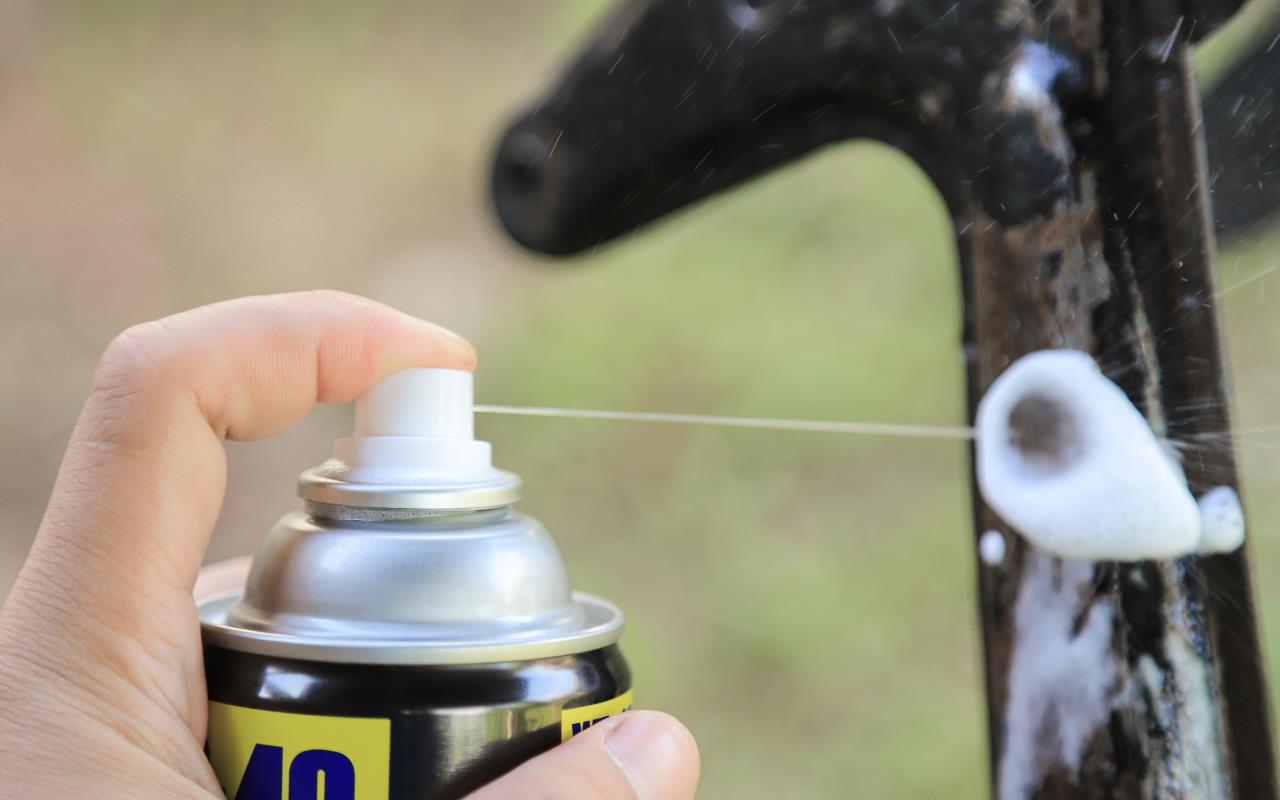
6. WD40
WD40 is a lubricant that penetrates into the interstices of metal and dislodges rust. It is recommended for heavily rusted or jammed tools. To use, simply:
- Spray WD40 on rusty parts of tools and leave for 10 minutes.
- Scrub tools with a wire brush or steel wool to remove rust.
- Wipe tools with a cloth to remove excess product.
7. Fastest way: oxalic acid
Oxalic acid is a chemical that dissolves rust deep down and restores the metal’s lustre. It is very effective for heavily rusted tools, but it is also very dangerous. It must therefore be handled with care and safety instructions must be followed. To use it, you must :
- Wear protective gloves, goggles and mask, as oxalic acid is corrosive and toxic.
- Dilute oxalic acid in hot water according to the dosage indicated on the product.
- Immerse rusty tools in the solution and leave to soak for a few minutes.
- Rinse tools with clean water and dry with a cloth.
Cleaning and prevention
To prevent rust, it’s essential to clean your tools regularly and dry them thoroughly after each use. A simple wipe with a dry cloth can do wonders to remove residual moisture. We also recommend storing your tools in a dry, well-ventilated place, away from sources of moisture and aggressive chemicals. An effective tip is to coat your tools with a thin layer of grease or wax. This protective barrier prevents moisture from penetrating and causing rust. By adopting these cleaning and storage habits, you’ll extend the life of your tools and keep them in good condition.
Avoid rust in the future
To avoid rust in the future, it’s important to take preventive measures. Here are a few simple and effective tips:
- Store your tools in a dry, well-ventilated place: A well-ventilated garage or tool shed with good air circulation is ideal.
- Clean your tools regularly: After each use, remove dirt and moisture with a dry cloth.
- Dry your tools thoroughly: Make sure there are no traces of water before storing them.
- Cover your tools with a layer of grease or wax: This creates a protective barrier against moisture.
- Avoid using your tools in damp conditions: If possible, wait until conditions are drier before using your tools.
- Use suitable cleaning products: Some products are specially designed to protect metal against rust.
By following these tips, you can prevent rust and extend the life of your tools. Thanks to these simple tips, your tools will remain in excellent condition, ready for use at any time.